_png.png)


Is Your HR Team Prepared for the AI Revolution and What Readiness Means for Success

Artificial intelligence is no longer a distant concept for human resources teams. It has quietly become part of everyday HR functions such as recruiting, screening, performance management, and workforce analytics. Yet, many organizations adopt AI tools without fully understanding the implications or preparing their teams for the changes ahead. This gap between adoption and readiness creates risks that can affect employee trust, fairness, and overall organizational health.
This post explores why AI readiness matters more than just adoption for HR leaders, people operations professionals, and decision-makers in small to midsize organizations. It highlights the critical role HR plays in governing AI use responsibly and offers practical steps to assess and improve your team’s readiness.
Why AI Readiness Is a Leadership and Governance Issue
AI in HR is not simply a technology choice. It is a leadership challenge that requires clear oversight, accountability, and ethical frameworks. Many organizations implement AI tools without formal governance structures, which leads to risks such as:
Over-reliance on AI outputs without human judgment
Lack of transparency about how decisions are made
Unclear accountability for AI-driven outcomes
These risks can undermine employee trust and perceptions of fairness. According to a 2020 study by Raghavan et al., bias in algorithmic hiring can persist without proper human oversight, affecting diversity and inclusion efforts (Raghavan, Barocas, Kleinberg, & Levy, 2020). This shows that human judgment remains essential to ensure AI supports fair and ethical HR decisions.
Where AI Shows Up in HR Today
AI is influencing many HR processes, often behind the scenes:
Recruiting and Screening: AI tools scan resumes, rank candidates, and even conduct initial interviews using chatbots. These tools speed up hiring but can unintentionally reinforce biases if not monitored.
Performance Management: AI analyzes employee performance data to identify trends and suggest development plans. Without transparency, employees may question how their evaluations are determined.
Workforce Analytics: AI helps predict turnover, identify skill gaps, and optimize workforce planning. These insights are valuable but require careful interpretation to avoid misinformed decisions.
A survey by the Society for Human Resource Management (SHRM) found that 56% of HR professionals have adopted some form of AI in their functions, yet only 38% have formal policies governing its use (SHRM, 2023). This gap highlights the need for readiness beyond adoption.
The Risks of Unmanaged AI Use in HR
When AI is used without clear governance, several risks emerge:
Bias and Discrimination: AI systems trained on historical data can perpetuate existing biases. Without human checks, this can harm underrepresented groups.
Loss of Employee Trust: Employees want to understand how AI affects decisions about their careers. Lack of transparency can lead to suspicion and lower morale.
Overdependence on AI Outputs: Treating AI recommendations as final decisions removes critical human judgment and context. This can lead to unfair or inappropriate outcomes.
Research shows that organizations with strong human oversight reduce bias in AI-supported hiring decisions by up to 30% (Raghavan et al., 2020). This demonstrates the importance of combining AI with human expertise.

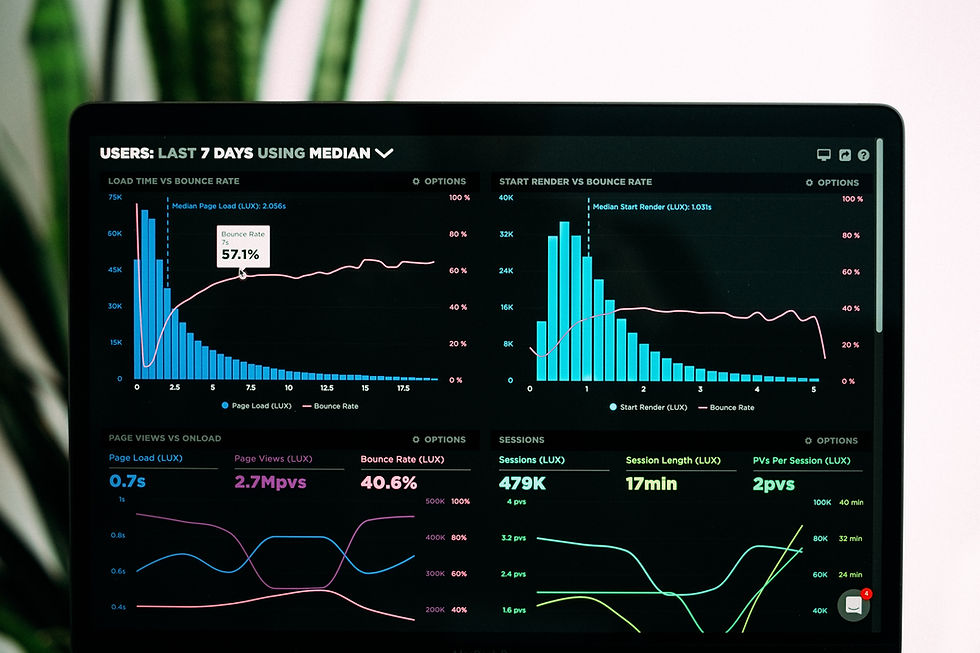
AI-driven HR analytics dashboard providing insights on workforce trends and performance
How HR Can Lead Responsible AI Use
HR teams are uniquely positioned to ensure AI is used ethically and responsibly. Here are key ways HR can lead:
Establish Clear Governance: Define policies for AI use, including data privacy, fairness, and accountability.
Maintain Human Judgment: Use AI as a support tool, not a decision-maker. Ensure managers review AI outputs critically.
Communicate Transparently: Explain to employees how AI tools work and how decisions are made. This builds trust and reduces anxiety.
Train HR Staff: Equip your team with knowledge about AI capabilities and limitations to make informed decisions.
Employee perceptions matter. A recent workforce study found that 62% of employees worry about AI fairness in HR decisions, and 58% want more transparency about AI use (Workforce Research Institute, 2023). Addressing these concerns is essential for maintaining morale and engagement.
What AI Readiness Looks Like in Practice
AI readiness means having visibility, accountability, and intentional use of AI tools. It does not require large budgets or advanced technology. Even small and midsize organizations can take practical steps:
Conduct an AI Readiness Assessment: Review current AI tools, policies, and team skills. Identify gaps in governance and training.
Create an AI Readiness Checklist: Include items such as clear ownership of AI decisions, documented processes, employee communication plans, and bias mitigation strategies.
Pilot AI Tools with Oversight: Start small with new AI applications, monitor outcomes closely, and adjust based on feedback.
Engage Employees: Involve staff in discussions about AI use and address their concerns openly.
By focusing on readiness, organizations can avoid common pitfalls and build a foundation for responsible AI integration.
Moving Forward: Your Next Steps
AI will continue to shape HR in profound ways. The question is not if your team will use AI, but how prepared you are to manage it well. Readiness means more than adopting technology; it means leading with ethics, transparency, and human judgment.
Start by evaluating your current AI use and governance. Use our AI Readiness Checklist to guide improvements. Build your team’s knowledge and confidence in working alongside AI. Communicate openly with employees to maintain trust.
Taking these steps will help your HR team navigate the AI revolution with confidence and care, ensuring AI supports your people and your organization’s success.
References
Raghavan, M., Barocas, S., Kleinberg, J., & Levy, K. (2020). Mitigating bias in algorithmic hiring. Proceedings of the ACM Conference on Fairness, Accountability, and Transparency.
Society for Human Resource Management (SHRM). (2023). AI adoption and governance in HR. SHRM Research Reports.
Workforce Research Institute. (2023). Employee perceptions of AI fairness and transparency. Peer-reviewed workforce studies.
Don't wait until liability hits your door.
Download the HR AI Readiness Checklist to put your mind at ease.

Comments